
There are some recipes that you make once and immediately know they are going into the regular rotation. This was one of them.
I originally made Sticky Honey Garlic Chicken for a girls’ dinner I hosted at my house and it was a massive hit. Everyone loved it. I loved it. There was that lovely moment when everyone is eating, making appreciative noises and asking for the recipe, and you start thinking, “Look at me. I have absolutely nailed dinner.”
And then I remembered what was actually in it.
Now, before anyone gets dramatic, the original recipe isn’t exactly a nutritional disaster. It uses chicken breast, soy sauce, honey, garlic and a few other fairly standard ingredients. But it also uses a generous amount of cornflour and oil, and the sauce contains a decent amount of honey. The original recipe serves four and, depending on exactly how much oil is absorbed during cooking, comes in at roughly 526 calories, 43g of carbs, 23g of fat and 37g of protein per serving before you add the rice and vegetables.
And this was not going to be served alone. Because after dinner we had Biscoff crack.
Yes. Biscoff crack. The sort of dessert where you have one piece and then spend the next 20 minutes breaking and nibbling off smaller pieces pretending like these calories don’t count, while consuming a whole MacDonald’s meal woth of calories.
So there I sat, enjoying my delicious chicken but doing that thing we all do occasionally where you mentally calculate the damage before you’ve even finished eating. How many calories was that? How much oil? And now there’s dessert? Excellent. I’ll just live on coffee tomorrow.
But rather than ban the recipe from my life, I decided to do what I often do when I really love something: mess with it.
Could I make it a high-protein midweek meal?
When I went back and looked at the ingredients, I realised the basic recipe actually had a lot going for it. Chicken breast was already doing the heavy lifting when it came to protein. The sauce had loads of flavour from the soy sauce, garlic, ginger, honey and sesame oil.
The problem wasn’t really the recipe. It was some of the quantities.
The original recipe coats the chicken in quite a lot of cornflour and cooks it in 3–4 tablespoons of peanut oil before making the sticky sauce. Delicious? Absolutely. Something I necessarily wanted to eat on a random Wednesday when I’m trying to keep my calories under control? Perhaps not.
So I started tweaking.
I ditched the heavy cornflour coating, dramatically reduced the cooking oil and kept the things that actually make this dish taste so good. I also increased the chicken substantially because, well, protein.
And honestly? I think I’ve cracked it.
It isn’t the original – and that’s okay
I want to be clear about something before anyone gets the pitchforks out: this is not the original recipe. It doesn’t have that thick, crispy, fried coating. You’re not going to bite into it and think you’ve just ordered a giant box of Chinese takeaway.
But what it does have is juicy chicken, a sticky, sweet-and-savoury sauce, plenty of garlic, sesame and that lovely Asian-inspired flavour that makes you want to scrape every last bit of sauce from the pan. And for me, that is close enough.
In fact, it’s more than close enough when I’m looking for an easy high-protein dinner that doesn’t require me to spend the rest of the evening wondering whether I should have just eaten the chicken and called it a day.
The whole recipe is made with 1kg of chicken breast, which means you’re getting a serious amount of protein without having to resort to eating a tub of cottage cheese for dinner. Not that I haven’t considered it.
The magic is in the sauce
The sauce is where this recipe really earns its place in the weekly rotation.
You’ve got low-sodium soy sauce for that salty, savoury base, honey for sweetness, toasted sesame oil for that gorgeous nutty flavour, ginger and garlic for some serious punch, and then white wine vinegar and lemon juice to bring a little acidity into the mix.
The acidity is important because it stops the sauce from becoming overly sweet and heavy. And while there is still honey in the recipe, we’re using just two tablespoons for the entire dish rather than turning the chicken into a swimming pool of honey.
There are also sesame seeds because I refuse to live in a world where everything has to be stripped of its joy in the name of calories.
And the protein?
This is the part I particularly love.
Using 1kg of chicken breast and dividing the recipe into four servings gives you approximately 61g of protein per serving. That’s a pretty impressive protein hit for a meal that feels like comfort food rather than something you have assembled while staring mournfully into the fridge.
Each serving is approximately 460 calories, before adding rice, quinoa or whatever vegetables you decide to serve alongside it.
Obviously, the exact numbers will depend on the brands you use, the size of your chicken breasts and how much oil actually ends up in the pan, so think of these figures as a useful estimate rather than something that needs to be entered into your life with forensic precision.
For comparison, my estimate for the original recipe is around 526 calories and 37g of protein per serving, based on the quantities published in the original recipe.
So yes, my version is almost double in protein with less calories and less fat.
The easiest midweek dinner
This is also one of those recipes that looks like it should involve far more effort than it actually does.
Cut the chicken into small cubes and get it cooking in a little avocado oil. While it’s doing its thing, whisk all the sauce ingredients together.
Once the chicken is cooked through and nicely browned, remove it from the pan and pour in your sauce. Make a quick cornflour slurry with a little water and add it to the pan. The sauce thickens surprisingly quickly, so keep an eye on it and keep stirring. You don’t want beautifully sticky chicken sauce turning into beautifully sticky chicken cement.
Once the sauce has thickened, add the chicken back into the pan and toss everything together.
That’s it. No complicated marinade. No deep fryer. No standing over the stove for an hour. And definitely no need to order takeaway because you can’t face cooking.
How to make high proteing honey sesame chicken
The beauty of this recipe is that it really is a one-pan situation, which is exactly what I want from a midweek dinner. Fewer dishes, less effort and more time to sit down and wonder what happened to your metabolism after turning forty.
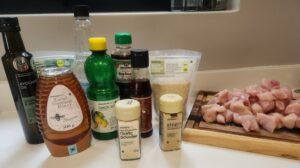
Start with the chicken
I start by cutting the chicken breasts into roughly one-inch cubes. Don’t worry about making every piece perfectly identical – this isn’t a geometry exam. Just try to keep them roughly the same size so they cook evenly.
Heat a tablespoon of avocado oil in a large frying pan over medium-high heat and add the chicken. Spread it out as much as you can so the pieces have room to brown rather than simply steaming in a crowded pan.
Let the chicken cook for around 10–15 minutes, turning it regularly, until it’s nicely browned on the outside and cooked through.
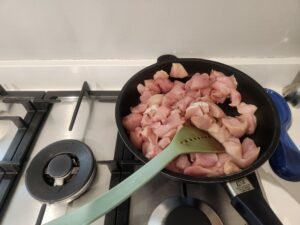
And honestly, this is where my version differs quite dramatically from the original. I’m not coating the chicken in a mountain of cornstarch and frying it in several tablespoons of oil. We’re going for flavour and a lovely browned chicken here rather than trying to recreate a deep-fried takeaway.
While the chicken cooks, make the sauce
This is the easy bit.
While the chicken is doing its thing, add the low-sodium soy sauce, honey, toasted sesame oil, ginger, garlic powder, white wine vinegar, lemon juice and sesame seeds to a bowl.
Give everything a really good whisk.
I love doing this while the chicken cooks because it means the sauce is ready to go as soon as the chicken is done. No frantic measuring while your dinner is sitting in a hot pan wondering what you’re doing with your life.
Give the chicken a little break
Once the chicken is cooked and beautifully browned, remove it from the pan and set it aside.
Don’t wash the pan.
Those little browned bits left behind from the chicken are flavour, and we are absolutely keeping them. Pouring the sauce into the same pan means all those delicious bits get incorporated into the sauce.
This is also one of those tiny cooking shortcuts that makes you feel like you’ve got your life together.
Make that sticky sauce
Pour the sauce mixture into the hot pan and give it a stir.
In a small bowl, mix the cornflour with a little water until you have a smooth paste. This is your cornflour slurry, and it is what turns the sauce from a thin, soy-based mixture into that lovely glossy coating we’re after.

Add the slurry to the pan and stir continuously over medium-high heat.
Keep an eye on it here.
The sauce thickens surprisingly quickly, and you don’t want to wander off to answer a WhatsApp, fold laundry or investigate why the dog is staring at the wall.
Within a minute or two, you should have a thick, glossy sauce.
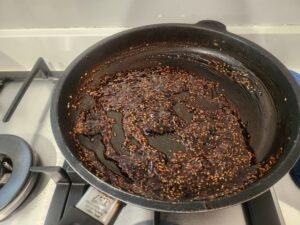
Bring it all together
Once the sauce has thickened, add the cooked chicken back into the pan.
Now give everything a really good toss so that every piece of chicken gets coated in that sticky, garlicky, sweet-and-savoury sauce.
This is the moment when it starts looking – and smelling – like the dish I originally fell in love with.
Except this time, I know exactly what’s in it. And I haven’t used half a cup of cornstarch or several tablespoons of frying oil to get there.
Serve it up
I like to serve the chicken with steamed broccoli and either rice or quinoa, depending on what I’m in the mood for.
Add a few extra sesame seeds and some sliced spring onion over the top if you want to make it look pretty. And if you’re taking photos for the blog, definitely do this before you start eating it because once that sticky sauce hits the plate, things can get very difficult to photograph.
The result is tender chicken coated in a glossy, sticky sauce that’s sweet, salty, garlicky and full of sesame flavour.
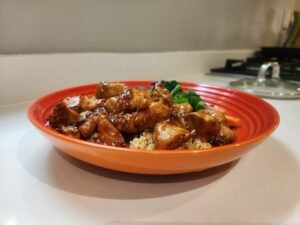
It’s not exactly the original recipe.
But honestly? I don’t think it needs to be.
My verdict
This is exactly the sort of recipe I want in my Forever Forty kitchen. It has loads of flavour, it’s easy enough for a weeknight, it’s high in protein and it feels like a treat rather than a compromise. Most importantly, I don’t feel like I’m eating the “healthy version” while everyone else gets the good stuff.
I made the good stuff healthier. And that, quite frankly, is the sort of middle-aged wisdom I can get behind.
Would I make the original Sticky Honey Garlic Chicken again for a girls’ dinner? Absolutely. If I’m entertaining and we’re having wine, starters and Biscoff crack afterwards, I am not going to pretend I’m suddenly a saint.
But for a regular weeknight?
This version wins.
It’s savoury. It’s sweet. It’s packed with protein. And there is absolutely no need to feel guilty while eating it. Save the guilt for when you realise you’ve eaten three pieces of Biscoff crack instead of one.
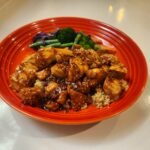
High-Protein Honey Sesame Chicken
Ingredients
- 1 kg chicken skinless chicken breasts, cut into 1-inch cubes
- 1 tablespoon avocado oil
- ½ cup low-sodium soy sauce
- 2 tablespoons honey
- 2 tablespoons sesame oil
- 1 teaspoon ground ginger
- 2 tablespoons garlic powder
- 4 tablespoons white wine vinegar
- 2 tablespoons lemon juice
- 1 tablespoons sesame seeds
- 1 tablespoon cornflour
Instructions
- Cut the chicken breasts into roughly 1-inch cubes.
- Heat the avocado oil in a large frying pan over medium-high heat. Add the chicken and cook for approximately 10–15 minutes, turning regularly, until browned on all sides and cooked through.
- While the chicken is cooking, whisk together the soy sauce, honey, sesame oil, ginger, garlic powder, white wine vinegar, lemon juice and sesame seeds.
- Once the chicken is cooked, remove it from the pan and set aside.
- Pour the sauce into the same pan. There's no need to clean it first – those lovely browned bits from the chicken will add even more flavour.
- Mix the cornflour with a little water in a small bowl to make a smooth slurry. Add this to the sauce and stir continuously over medium-high heat until the sauce thickens and becomes glossy. This happens quickly, so don't wander off to check Instagram.
- Add the cooked chicken back into the pan and toss well until every piece is coated in the sticky sauce.
- Serve immediately with steamed vegetables and your choice of rice or quinoa.
My serving suggestion
I love this with steamed broccoli and a small portion of jasmine rice, but you can absolutely make it work with whatever vegetables you have in the fridge. If you’re keeping an eye on calories, increase the vegetables and reduce the rice. If you’re feeding hungry people, add more rice.
And finish it with a sprinkle of sesame seeds and sliced spring onions if you have them. It makes the whole thing look very fancy for something that came together in one pan.
Frequently Asked Questions
Is this Honey Sesame Chicken high in protein?
Yes! That’s one of the reasons I love this version. With 1kg of chicken breast divided into four servings, you get approximately 61g of protein per serving. That’s a seriously decent protein hit for dinner, especially when you consider that this is still a sticky, sweet and savoury chicken dish rather than something that looks like it belongs in the fitness section of a meal-prep fridge.
How many calories are in Sticky Honey Garlic Chicken?
My version contains approximately 460 calories per serving, based on four servings and excluding rice, quinoa and vegetables. It’s an estimate because brands vary and not every drop of cooking oil necessarily ends up being eaten, but it’s a useful guide if you’re tracking your calories.
Can I use chicken thighs instead of chicken breast?
Absolutely. Chicken thighs will give you even juicier, richer chicken, but they will also increase the fat and calorie content. I use chicken breast because I’m specifically trying to make this a high-protein meal without unnecessarily adding extra calories.
Can I make this recipe lower in calories?
You can, although I wouldn’t go too wild. The easiest place to reduce calories is the toasted sesame oil. You could reduce it slightly if you want to, although you’ll lose some of that gorgeous nutty sesame flavour. You can also serve the chicken with plenty of vegetables and a smaller portion of rice or quinoa. Personally, I’d rather keep the sauce delicious and adjust what goes alongside it.
Can I make this recipe ahead of time?
Yes. This chicken works really well for meal prep. Once cooked and cooled, store it in an airtight container in the fridge and reheat thoroughly when you’re ready to eat. The sauce will thicken a little once refrigerated, so add a small splash of water when reheating if you want to loosen it up.
Can I freeze Sticky Honey Garlic Chicken?
Yes. Allow the cooked chicken to cool completely before transferring it to a freezer-safe container. Freeze for up to around three months and defrost thoroughly in the fridge before reheating. The texture of the sauce may change slightly after freezing, but it will still make a very handy emergency dinner for those evenings when the thought of cooking feels completely unreasonable.
What vegetables go well with Sticky Honey Garlic Chicken?
Pretty much anything that works with Asian-inspired flavours. Broccoli is my favourite, but green beans, peppers, sugar snap peas, mange tout, bok choy or a simple stir-fried vegetable mix would all work. It’s also a great opportunity to use whatever is lurking in the vegetable drawer before it reaches the point of no return.
What should I serve with Sticky Honey Garlic Chicken?
Rice is the obvious choice, but quinoa works really well too. For a lower-carb option, serve it with cauliflower rice or simply pile it onto a mountain of steamed vegetables. If you’re watching your calorie intake, remember that the chicken itself is approximately 460 calories per serving before adding your sides, so your rice portion can make quite a difference to the final total.
Can I make this recipe spicy?
Definitely. Add chilli flakes, fresh chilli, cayenne pepper or a little sriracha to the sauce. The sweetness from the honey works particularly well with a bit of heat.
Can I use fresh garlic instead of garlic powder?
Yes. Fresh garlic will work beautifully and will give you an even more pronounced garlic flavour. I’d use around 4–6 cloves, depending on how much you like garlic. I personally believe there is no such thing as too much garlic, but I’ve also been told I may not be an entirely impartial judge.
Why does my sauce thicken so quickly?
Cornflour works very quickly once it hits a hot liquid, which is why it’s important to keep stirring and watch the pan. If the sauce becomes too thick, simply add a splash of water and stir until you reach the consistency you want.
Can I use regular soy sauce instead of low-sodium?
Yes. Regular soy sauce will work perfectly well, although the finished dish will be saltier. Because there is already quite a lot of soy sauce in the recipe, I prefer low-sodium so that the flavour doesn’t become overwhelmingly salty.
Is this a good meal for weight loss?
It can certainly fit into a calorie-conscious diet. It’s high in protein, which can help make a meal more filling, and you can control the overall calories by choosing how much rice or quinoa and how many vegetables you serve alongside it. But I don’t think a single recipe makes something a “weight-loss meal”. It’s the overall balance of your diet that matters. And sometimes having a dinner you genuinely enjoy is exactly what helps you stick to your goals without feeling like you’re being punished for trying to eat well.