Sometimes, making a recipe easier turns out to make it even better. That was exactly what happened when I decided to turn one of my usual family dinners into a one-dish bake.
I’ve made meatballs with ratatouille, mixed beans and couscous several times before. My usual method was to cook the couscous separately in hot water, bake the meatballs in the oven, and then combine everything with the ratatouille and beans. It was a perfectly good meal, but it involved multiple steps, extra dishes and a little more effort than I wanted on a busy weeknight.
This time, I decided to simplify things. Instead of cooking the couscous separately, I added it directly to the baking dish with the ratatouille, mixed beans and stock once the meatballs had started cooking. I gave everything a gentle stir and returned the dish to the oven.
I wasn’t expecting much of a difference in flavour, but I was pleasantly surprised. The couscous absorbed the savoury juices from the meatballs, the stock and the tomato-based ratatouille sauce, giving it far more flavour than when I cooked it separately in water. Everything came together beautifully, and the result was a delicious, satisfying dinner with hardly any effort.
Even better, my two-year-old loved it. My husband loved it too. With a 44-year age gap between those two dinner guests, I’d say this recipe has earned its place in our family midweek rotation. Finding something that makes everyone happy at the dinner table is no small achievement, particularly when one of your diners is a toddler who seems to have appointed himself the official food critic.
The best part is that everything cooks in one baking dish. There is no separate pot for the couscous, no saucepan for the beans and no complicated list of instructions to follow. You simply brown the meatballs in the oven, add the remaining ingredients, and let everything finish cooking together.
If you’re looking for an easy family dinner that uses convenient ingredients, tastes delicious and keeps the washing up to a minimum, this one-dish meatball, ratatouille and couscous bake is worth adding to your recipe collection.
Why you’ll love this one-dish mediterranean meatball bake
1. Everything cooks in one dish. No separate pot for the couscous, no saucepan for the beans and no complicated sequence of cooking steps. Brown the meatballs, add the remaining ingredients and let the oven do the work.
2. The couscous is packed with flavour. Plain couscous can be a little bland, especially when it’s prepared with water and served alongside a sauce. Cooking it with the meatballs, stock and ratatouille allows it to absorb the savoury flavours throughout the dish.
3. It’s a family-friendly dinner. The combination of familiar meatballs, soft couscous, vegetables and beans makes this a great option for a family meal. My toddler loved it, and my husband was equally happy with dinner. That’s a fairly impressive approval rating from two very different generations.
4. It uses convenient pantry ingredients. Canned ratatouille and mixed beans save time on chopping and preparation. They’re especially useful when you need to get dinner on the table without turning your kitchen into a cooking show.
5. It’s filling and satisfying. The meatballs provide protein, the beans contribute additional protein and fibre, and the couscous makes the dish substantial enough for a complete family dinner.
6. You can customise it. Use beef, pork or chicken meatballs, choose your preferred stock, or add herbs and spices if you want to experiment with different flavours. The basic recipe is deliciously simple as it is.
Ingredients you’ll need

One of the things I love most about this recipe is how little you need to make it work. There are no elaborate ingredients or special sauces to hunt down.
Meatballs (600 g)
These are the heart of the dish. As they bake, the meatballs release their juices and fat into the surrounding sauce, adding savoury depth and richness. Use your favourite ready-made meatballs or homemade ones. Cooking time will depend on their size and the type of meat used.
Canned ratatouille (approximately 400 g)
Ratatouille provides the tomato-based vegetable sauce that brings the dish together. It’s a convenient way to add vegetables and flavour without having to chop and cook them separately.
Canned mixed beans (approximately 400 g)
Drain and rinse the beans before adding them. They contribute texture, fibre and extra plant-based protein, making the meal more substantial.
Dry couscous (200 g)
Regular, quick-cooking couscous works best for this recipe. It absorbs the liquid from the stock and ratatouille, creating a flavourful base for the meatballs. There’s no need to cook it separately.
Chicken or vegetable stock (200–250 ml)
Stock gives the couscous a savoury flavour and provides the liquid it needs to soften. Start with 200 ml and add more if necessary, depending on how much liquid your ratatouille contains.
Optional herbs and spices
You don’t need extra seasoning for this recipe. The meatballs, ratatouille and stock already contribute plenty of flavour. However, dried oregano, smoked paprika, garlic powder or black pepper are lovely additions if you feel like experimenting.
How to make the one-dish mediterranean meatball bake
The beauty of this recipe is that you don’t need to cook the couscous separately, prepare the sauce in another pot or spend half your evening washing up. Everything comes together in one ovenproof dish, and the couscous absorbs the delicious flavours from the meatballs, ratatouille and stock as it cooks. Follow these steps for the best results.
Start by preheating your oven to 200°C if you’re using a conventional oven, or 180°C if you’re using a fan-assisted oven. Allow the oven to reach the correct temperature before putting the meatballs in, as this helps them cook more evenly.
Choose a large, deep ovenproof baking dish that will comfortably hold 600 g of meatballs, a can of ratatouille, a can of mixed beans and the couscous you’ll be adding later. You want enough room to stir everything together without spilling the sauce over the sides. A dish that’s too small will make mixing difficult, while a very shallow dish may allow the liquid to evaporate too quickly.
Arrange the meatballs in a single layer in the baking dish, leaving a little space between them where possible. There’s no need to add oil or butter because the meatballs will release some of their own fat and juices as they cook. This is one of the reasons the finished dish develops such a lovely savoury flavour.
Place the dish in the preheated oven and bake the meatballs for approximately 15 minutes. During this time, they will begin to brown on the outside and release some of their juices into the bottom of the dish. They don’t need to be fully cooked at this stage because they will return to the oven with the remaining ingredients.
Keep in mind that the exact cooking time will depend on the size of your meatballs and whether you’re using beef, pork, chicken or turkey. Smaller meatballs will cook more quickly than large ones, so use the first 15 minutes as a guide rather than an absolute rule.
Step 1: Preheat the Oven and Bake the Meatballs
Start by preheating your oven to 200°C if you’re using a conventional oven, or 180°C if you’re using a fan-assisted oven. Allow the oven to reach the correct temperature before putting the meatballs in, as this helps them cook more evenly.
Choose a large, deep ovenproof baking dish that will comfortably hold 600 g of meatballs, a can of ratatouille, a can of mixed beans and the couscous you’ll be adding later. You want enough room to stir everything together without spilling the sauce over the sides. A dish that’s too small will make mixing difficult, while a very shallow dish may allow the liquid to evaporate too quickly.
Arrange the meatballs in a single layer in the baking dish, leaving a little space between them where possible. There’s no need to add oil or butter because the meatballs will release some of their own fat and juices as they cook. This is one of the reasons the finished dish develops such a lovely savoury flavour.
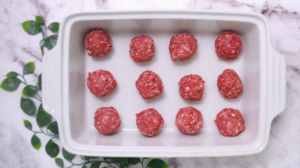
Place the dish in the preheated oven and bake the meatballs for approximately 15 minutes. During this time, they will begin to brown on the outside and release some of their juices into the bottom of the dish. They don’t need to be fully cooked at this stage because they will return to the oven with the remaining ingredients.
Keep in mind that the exact cooking time will depend on the size of your meatballs and whether you’re using beef, pork, chicken or turkey. Smaller meatballs will cook more quickly than large ones, so use the first 15 minutes as a guide rather than an absolute rule.
Step 2: Add the Ratatouille, Mixed Beans, Couscous and Stock
Once the meatballs have baked for 15 minutes, carefully remove the dish from the oven and place it on a heat-resistant surface. The dish and any fat or juices released by the meatballs will be hot, so use oven gloves and take care when handling it.
Now comes the easy part. Add one can of ratatouille, approximately 400 g, directly to the baking dish. Pour the ratatouille over and around the meatballs, making sure the vegetables and tomato-based sauce are distributed throughout the dish. There’s no need to heat the ratatouille separately or prepare another sauce.
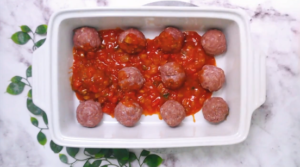
Next, drain and rinse one can of mixed beans, also approximately 400 g, and add them to the dish. Draining the beans helps prevent the liquid from the can from unnecessarily diluting the sauce. The beans add texture, fibre and extra plant-based protein, while making the finished meal more substantial.
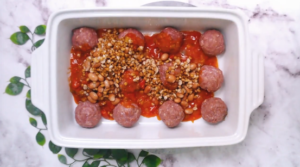
Pour approximately 200 ml of chicken or vegetable stock over the ingredients. The stock provides the additional liquid the couscous needs to soften, while contributing a savoury flavour that makes the finished dish much more interesting than couscous prepared with plain water.
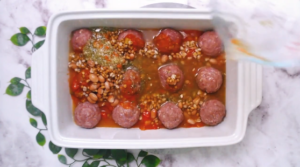
Sprinkle 200 g of dry, regular quick-cooking couscous evenly over the ratatouille and beans. It’s important to use regular couscous rather than pearl couscous, as the two varieties have different cooking requirements. There is no need to soak, boil or steam the couscous beforehand. It will absorb the hot liquid in the baking dish as it finishes cooking.
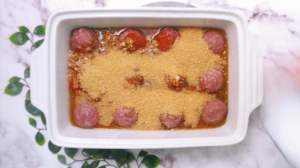
Using a large spoon, gently stir everything together directly in the baking dish. Work the couscous through the ratatouille and beans so that the grains are coated in sauce and evenly distributed around the meatballs. Try not to break up the meatballs as you stir, and make sure there are no large patches of dry couscous sitting on top of the mixture.
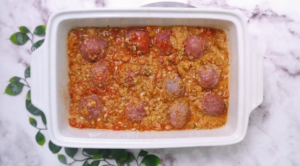
Take a moment to assess the consistency before returning the dish to the oven. The couscous should be well moistened by the sauce and stock, rather than looking dry and powdery. If the ratatouille is particularly thick or the couscous hasn’t been moistened evenly, add another small splash of stock. You can add up to approximately 250 ml in total, depending on how much liquid your particular ingredients contain.
You don’t need to add oil or extra spices at this stage. I made my version without either, and the result was delicious. The meatballs, ratatouille and stock provided plenty of flavour on their own. If you prefer a more strongly seasoned dish, you can experiment with dried oregano, garlic powder or smoked paprika on a future attempt.
Step 3: Return the Dish to the Oven and Let Everything Cook Together
Once you’ve mixed the ingredients, return the baking dish to the preheated oven and bake for a further 15 minutes. This is where the magic happens, because the couscous begins absorbing the liquid and flavours surrounding it while the meatballs continue cooking.
The stock and tomato-based ratatouille provide the moisture needed to soften the couscous. At the same time, the juices and fat released by the meatballs mingle with the sauce, giving the couscous a richer, more savoury flavour. Rather than cooking the couscous separately in water and adding it to the meal afterwards, you’re allowing it to absorb the flavours of the entire dish.
During this second stage of baking, the beans become coated in the sauce, the ratatouille’s vegetables blend into the tomato-rich mixture, and the couscous gradually softens. The result should be a cohesive casserole in which the ingredients complement one another, rather than separate components served together on a plate.
After approximately 15 minutes, carefully remove the dish from the oven and check the texture of the couscous. It should be tender and have absorbed most of the available liquid. If it still feels firm or looks dry, add a small splash of hot stock or water, stir gently and return the dish to the oven for a few more minutes as needed.
It’s also important to check that the meatballs are thoroughly cooked before serving. The 15-minute initial bake followed by another 15 minutes is the method that worked for my version, but cooking times will vary depending on the size and type of meatballs you use. If you have a food thermometer, ground beef or pork meatballs should reach an internal temperature of 71°C, while chicken or turkey meatballs should reach 74°C.
If the meatballs are cooked but the couscous needs a little longer, you can continue cooking the dish until the grains are tender, adding a little more liquid if necessary. Keep an eye on the mixture to prevent the couscous from drying out.
Step 4: Allow the Dish to Rest, Fluff the Couscous and Serve
Once the meatballs are cooked through and the couscous is tender, remove the baking dish from the oven and let it rest for approximately five minutes before serving.
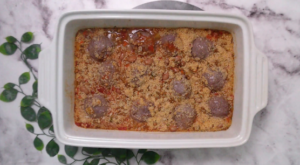
This short resting period gives the couscous a little extra time to absorb any remaining liquid and allows the sauce to settle. It also makes the dish easier to serve without the couscous becoming overly wet or clumping together.
After resting, use a fork to gently fluff the couscous. Separate any grains that have stuck together, and distribute the beans and sauce evenly throughout the dish. If you notice that the mixture has become a little too thick, stir through a small splash of hot water or stock to loosen it.
Serve the meatballs, ratatouille, mixed beans and couscous while everything is still warm. The couscous should be tender and flavourful, the beans should be soft, and the meatballs should be juicy and cooked through.
You can serve the dish on its own as a complete family meal, or add a simple green salad if you want something fresh on the side. Fresh parsley or a squeeze of lemon juice would also make a lovely finishing touch, although neither is necessary for the recipe to taste delicious.
And that’s it. You’ve made a satisfying, flavourful family dinner using everyday ingredients, without boiling the couscous separately or dirtying several extra pots and pans. Even better, the flavours have had a chance to come together as everything cooked in the same dish.
For me, that’s the real beauty of this recipe. A small change to the cooking method made the couscous much more flavourful, simplified the entire process and produced a meal that both my toddler and my husband enjoyed. When one dish can satisfy two very different appetites and leave you with less washing up, it’s a midweek dinner worth keeping.
Why cooking everything together makes a difference
This was my biggest discovery when I turned my usual meatball dinner into a one-dish bake.
Previously, I’d prepare the couscous separately using hot water. I’d cook the meatballs, warm the ratatouille and beans, and combine everything just before serving. It worked perfectly well, but the couscous was essentially a separate component of the meal.
Cooking everything together changes that.
As the meatballs bake, they release juices and fat that mingle with the tomato-based ratatouille sauce. The stock adds another layer of savoury flavour, while the couscous absorbs the liquid surrounding it.
Instead of having plain couscous sitting underneath a sauce, you end up with couscous that’s seasoned by the entire dish.
The beans also become coated in the rich sauce, and the flavours have time to mingle as everything finishes cooking in the oven.
It’s a small change to the cooking method, but it makes a noticeable difference to the finished meal.
Of course, the exact result will depend on your meatballs, stock and canned ratatouille. If your meatballs release a lot of fat, the dish will be richer. If your ratatouille is particularly thick, you may need a little extra stock to ensure the couscous cooks properly.
The important thing is to check the liquid and tenderness before serving.
Tips for the best results
For the best results, use regular quick-cooking couscous rather than pearl couscous, because the two varieties absorb liquid differently and require different cooking times. Make sure your baking dish is large enough to accommodate all the ingredients and allow you to stir them together without spilling the sauce over the sides.
Pay attention to the amount of liquid in the dish before returning it to the oven. Canned ratatouille varies between brands, so you may need slightly more or less stock than expected. The couscous should be moistened by the sauce rather than sitting in a dry mixture.
You also don’t need to add extra oil automatically. My version worked well without it, and the meatballs provided enough fat and flavour to enrich the sauce. The amount of fat released will depend on the type of meatballs you use.
Finally, don’t be tempted to add lots of extra seasoning before tasting the finished dish. The ratatouille, meatballs and stock can already provide plenty of flavour, and some stocks contain quite a lot of salt. Start with the simple version and adjust it to your taste next time.
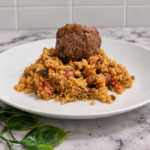
One-dish Mediterranean Meatball Bake
Ingredients
- 600 g meatballs
- 1 can ratatouille approximately 400 g
- 1 can mixed beans, drained and rinsed approximately 400 g mixed beans, drained and rinsed
- 200 g dry couscous
- 200-250 ml chicken or vegetable stock
Instructions
Preheat the oven
- Preheat your oven to 180°C or as directed by your meatball directions.
Bake the meatballs
- Arrange the meatballs in a large ovenproof baking dish and bake for 15 minutes.
Add the remaining ingredients
- Remove the dish from the oven. Add the ratatouille, drained mixed beans, dry couscous and 200 ml of stock. Stir everything together gently, making sure the couscous is evenly distributed. Add a little more stock if the mixture looks too dry.
Bake until tender
- Return the dish to the oven and bake for another 15 minutes, or until the couscous has absorbed the liquid and the meatballs are cooked through.
Rest and serve
- Leave the dish to rest for 5 minutes before fluffing the couscous with a fork and serving.
Video
Notes
- No extra oil or seasoning is needed; the meatballs, ratatouille and stock provide plenty of flavour.
- Check that the meatballs are fully cooked before serving. Safe internal temperatures are 71°C for beef or pork and 74°C for chicken or turkey.
- If the couscous looks dry before it has softened, stir in a small splash of hot stock.
- Cooking times may vary depending on the size and type of meatballs used.
One-dish mediterranean meatball bake FAQs
Can I cook couscous in the oven without boiling it first?
Yes, regular quick-cooking couscous can soften in a covered or sufficiently moist baking dish by absorbing hot liquid. In this recipe, the stock and liquid from the ratatouille provide the moisture needed to soften the couscous. Make sure it is evenly distributed throughout the sauce, and add a little extra stock if the mixture becomes too dry before the couscous is tender.
Do I need to brown the meatballs in a frying pan first?
No, you don’t need to use a frying pan. The meatballs bake in the oven for 15 minutes before the remaining ingredients are added. This gives them a head start and helps develop their flavour without creating another dish to wash.
Can I use chicken meatballs instead of beef?
Yes, chicken meatballs are a good alternative and work well with the ratatouille, beans and couscous. However, cooking times can vary depending on their size and ingredients, so make sure they reach an internal temperature of 74°C before serving.
Can I use different beans?
Yes, you can replace the mixed beans with canned cannellini beans, butter beans or kidney beans. Drain and rinse them before adding them to the baking dish. The flavour and texture will change slightly, but the overall cooking method remains the same.
Can I add extra vegetables or spices?
Yes, you can customise the dish according to your family’s preferences. Dried oregano, smoked paprika and garlic powder would complement the tomato-based sauce, while additional vegetables such as courgette or peppers could add variety. Keep in mind that extra vegetables may change the amount of liquid in the dish and affect the cooking time.
Can I prepare the recipe in advance?
You can prepare the meatballs and measure out the other ingredients beforehand, but I recommend adding the dry couscous shortly before the second stage of baking. Leaving it sitting in the sauce for too long will cause it to absorb liquid before it reaches the oven, which may affect the final texture.
How should I store leftovers?
Allow leftovers to cool promptly and refrigerate them in an airtight container for up to three days. Reheat them thoroughly before serving. Couscous tends to absorb more liquid as it stands, so adding a small splash of water or stock while reheating can help restore its texture.
Is this recipe suitable for toddlers?
This can be a family-friendly meal for toddlers who are ready for these textures, provided the ingredients are prepared appropriately. Cut the meatballs into age-appropriate sizes ensure they are thoroughly cooked, and flatten or mash the beans to reduce choking risk. Always supervise young children while they eat, and consider the salt content of the meatballs and stock when preparing meals for them.