Protein Shakes After 40: The Lazy Girl’s Guide to Hitting a High-Protein Goal
There comes a point in life when eating another piece of chicken starts to feel less like a healthy lifestyle choice and more like a personal punishment.
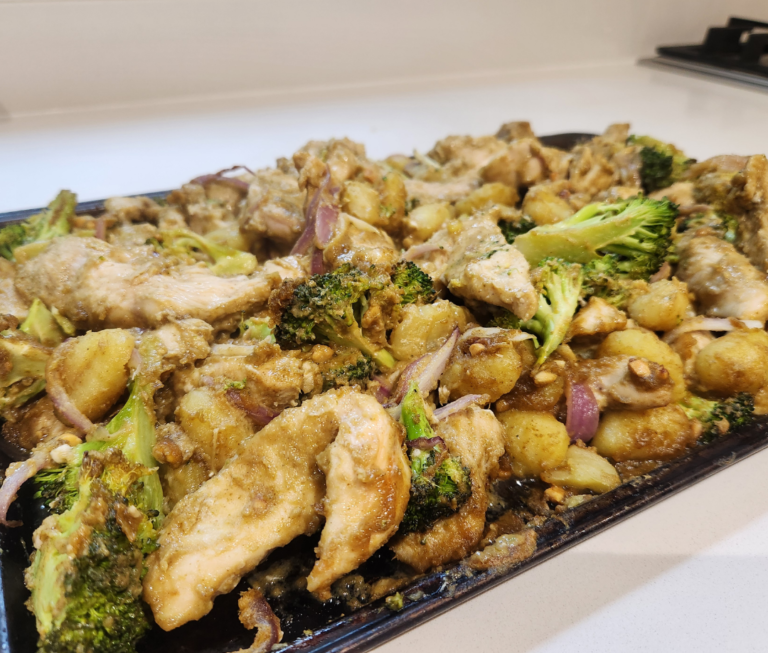
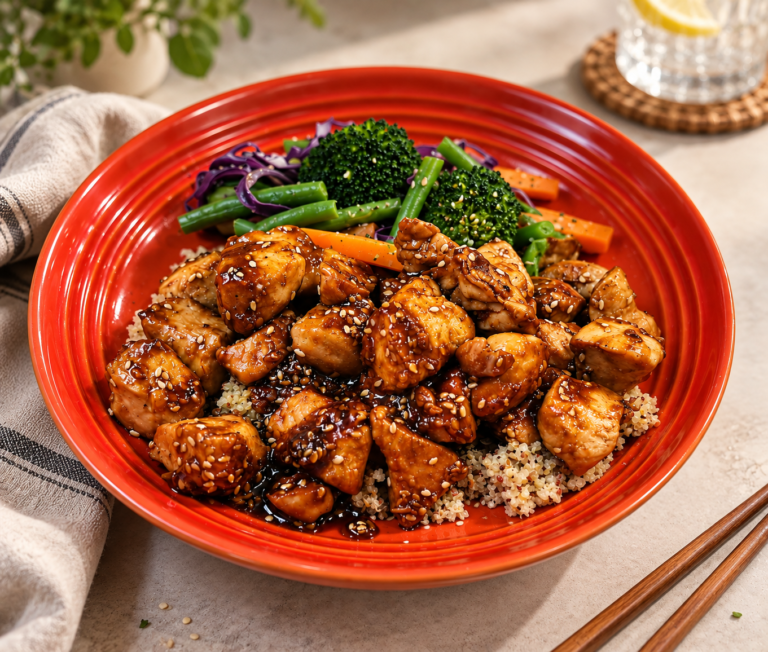
If you’re trying to hit a high-protein diet in your 40s, you’ve probably experienced this. Breakfast has eggs. Lunch has chicken. Dinner has chicken again because apparently we are now running a small poultry farm. And somewhere in between you’re supposed to squeeze in Greek yoghurt, cottage cheese, tuna, protein bars and whatever else contains enough protein to make the effort worthwhile.
And honestly? Sometimes I just don’t want chicken.
This is where protein shakes come in.
They aren’t magic. They aren’t a replacement for actual food. And they certainly aren’t an excuse to live exclusively on liquid meals because chewing has become inconvenient. But when you’re trying to consistently hit a higher protein target, a protein shake can be one of the easiest, quickest and most delicious tools you have.
And in your 40s, that matters.
Why protein matters even more as you get older
Let’s start with the thing nobody particularly enjoys hearing: maintaining muscle becomes increasingly important as we age.
The popular version of this story is that your metabolism suddenly slows down the moment you turn 40, as though your body receives a notification saying: Congratulations, your calorie burning has now been reduced.
It isn’t quite that dramatic.
Metabolism and energy expenditure are influenced by several things, including body size, activity levels and body composition. But one of the big issues as we get older is that we tend to lose muscle mass if we don’t actively work to maintain it. And because muscle is metabolically active tissue, losing muscle can make maintaining your body composition harder.
This is one reason I think the conversation around getting older needs to move away from simply asking, “How do I weigh less?” and towards asking, “How do I stay strong, muscular and functional?”
Because muscle is not just about looking good in jeans.
Muscle helps you move, lift, carry, exercise and stay independent. It also becomes particularly valuable when you’re trying to lose body fat because losing weight isn’t automatically the same thing as losing fat. During calorie restriction, some of the weight you lose can come from lean tissue. Research shows that combining adequate protein with exercise – particularly resistance training – can help protect lean mass during weight loss.
Which brings us neatly back to protein.
How much protein do you actually need?
This is where things get interesting because the answer isn’t simply “eat more protein.”
Your protein requirement depends on your body weight, age, activity level and goals.
The basic adult Recommended Dietary Allowance is around 0.8g of protein per kilogram of body weight per day, but that’s not necessarily the number I’d use if you’re regularly exercising and your goal is to build or maintain muscle. Research in active adults commonly supports protein intakes in the region of 1.4–2.0g per kilogram of body weight per day for people who exercise regularly. Personally, I aim for around 2g of protein per kg of body weight because I’m on a mission to get strong.
So that means, at 56kg, I’m aiming for around 112g of protein per day.
Suddenly, two to three chicken breasts don’t look quite so excessive. But if I tried to get all of my protein from traditional meals, I’d spend an alarming amount of my life thinking about chicken.
And this is exactly why I love protein shakes.
Sometimes drinking your protein is just easier
There is something wonderfully uncomplicated about a protein shake.
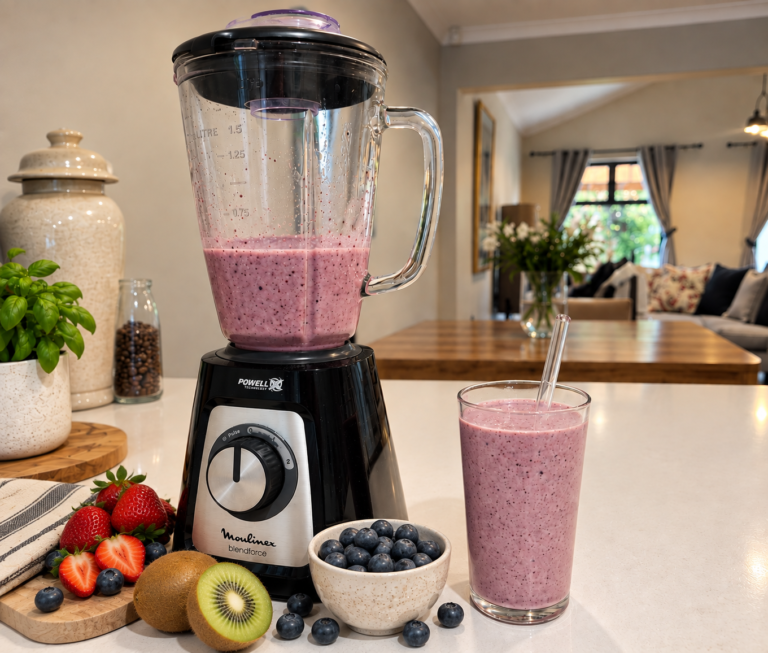
You put protein powder in a blender. Add liquid. Throw in some fruit if you’re feeling fancy. Blend. Drink. Done.
Compare that with preparing chicken.
You have to buy the chicken. Cook the chicken. Clean up after the chicken. Find something to eat with the chicken. Eat the chicken. Then, several hours later, discover that you need to eat more chicken.
No thank you.
A protein shake gives you a concentrated source of protein without requiring another full meal. Depending on the powder you use, you can easily get 20–30g or more of protein into a single shake.
And if you make it with water, it can also help contribute to your daily fluid intake – which is useful when you’re trying to hit those hydration goals and constantly wondering why drinking enough water feels like a part-time job.
For me, this is one of the biggest advantages of a shake: convenience makes consistency easier.
And when it comes to nutrition, the best plan in the world isn’t particularly useful if you can’t stick to it.
Protein shakes and muscle growth
If you’re doing resistance training, protein becomes particularly important.
Resistance training gives your muscles the reason to adapt. Protein supplies the amino acids your body needs to repair and build muscle tissue.
It’s a team effort.
You can’t simply drink a protein shake while sitting on the sofa and expect your biceps to interpret this as a formal invitation to grow. Sadly, the body has not yet developed the technology for that.
Research has found that protein supplementation can enhance gains in fat-free mass and strength when combined with resistance training. This is why I think protein shakes make so much sense for women in their 40s who are lifting weights, strength training or simply trying to become stronger.
Your workout is the stimulus. Your food provides the raw materials. Your recovery gives your body the opportunity to do something with them.
Protein is part of that equation.
Protein isn’t just about muscle
Here’s another reason I don’t think we should reduce protein to something that bodybuilders put in enormous tubs next to their dumbbells.
Protein is one of the body’s fundamental building blocks.
Your body uses amino acids from protein to build and maintain tissues throughout the body. That includes muscle, but also skin, hair, nails and other tissues. Protein is also involved in the production of many enzymes and hormones and plays a role in immune function and countless other biological processes.
And then there’s bone health.
Bones aren’t simply slabs of calcium holding us upright. Bone is living tissue, and protein contributes to its structure and maintenance. Research has generally found no evidence that higher protein intake within normal dietary ranges harms bone health, and some evidence suggests adequate or higher protein intake may support bone health, particularly in older adults.
So when we’re talking about protein in our 40s, we’re talking about much more than getting “toned.”
We’re talking about maintaining the physical structure of the person you intend to be for the next several decades.
And I quite like that goal.
The protein shake mistakes I don’t want you making
Before we get carried away and start blending everything in the kitchen, there are a few things worth remembering.
Mistake #1: Thinking protein shakes should replace real food
Please don’t. I love a protein shake. I also love vegetables, fruit, eggs, yoghurt, fish, meat, legumes, nuts and all the other wonderfully boring things that contain nutrients your body needs.
Whole foods provide fibre, vitamins, minerals and a huge range of other beneficial compounds that you won’t necessarily get from a scoop of protein powder.
Think of your protein shake as a tool, not your entire nutritional strategy.
It’s there to make reaching your protein target easier – not to replace lunch because you can’t be bothered to make lunch.
Mistake #2: Thinking protein alone will build muscle
Protein is important. But protein without resistance training isn’t going to magically create the muscle you’re hoping for.
If building or maintaining muscle is your goal, strength training needs to be part of the picture too. Research consistently supports resistance exercise as an important strategy for preserving lean mass during weight loss and improving body composition.
In other words, you have to give your muscles a reason to stick around.
Mistake #3: Thinking more protein automatically means better results
More isn’t always better. Once you’ve reached an appropriate intake for your individual needs, piling even more protein into your diet isn’t going to produce unlimited muscle.
Your overall calorie intake, resistance training, sleep, recovery and the quality of your diet all matter.
Protein is an important piece of the puzzle. It is not the entire puzzle. And definitely not the puzzle box.
How to make protein shakes actually enjoyable
This is where I think protein shakes have evolved considerably.
We have moved well beyond the days of dumping protein powder into water, shaking it aggressively in a plastic bottle and convincing ourselves that gritty vanilla sludge is “delicious.”
Your protein shake can actually taste good. Really good.
You can add frozen berries, banana, kiwi, yoghurt, coffee, cocoa, nut butter, cinnamon or other ingredients to turn a basic protein shake into something that feels much more like a treat.
Which brings me to one of my favourite ways to use protein powder: the protein milkshake.
Because if I’m going to drink my protein, I would prefer it to taste like something I’d happily order at a café rather than something I’d use to grout bathroom tiles.
Here are my two favourite options:
- My Go-To High Protein Milkshake: 34g of Protein for just 158 calories
- My High-Vitamin C Antioxidant Protein Collagen Smoothie
The first one is great if you’re running short on calories for the day but still need to hit your protein goals. The second is more than double the calories, but delivers a serious hit of vitamin C, which supports normal collagen formation and helps protect cells from oxidative stress.
The bottom line
Getting enough protein in your 40s doesn’t have to mean eating chicken at every available opportunity.
Protein matters for muscle growth, muscle maintenance and recovery. It becomes particularly useful when you’re trying to lose body fat without sacrificing precious lean mass, and it supports far more than just your muscles.
But you don’t need to make your life complicated.
Work out a realistic protein target based on your body weight, activity and goals. Build most of your diet around nutritious whole foods. Strength train. Get enough sleep. And use protein shakes when they make reaching your target easier.
Because sometimes the healthiest thing you can do is acknowledge that you simply cannot face eating another chicken breast.
Put the chicken down. Get the blender.